Lo Thi Phung, the 2-1 Fall at Asiad, and the Reflecting Mirror of Amateur MMA in Asia
**Câu trả lời chính**: Lò Thị Phung thua hạt giống số 1 Lee Bomi 2-1 tại tứ kết MMA nữ hạng 54kg, ASIAD 2026 ở Aichi-Nagoya, sau hiệp phụ. Đây là lần đầu MMA xuất hiện tại ASIAD. Thất bại phản ánh khoảng cách thể lực hơn là chênh lệch kỹ thuật. **Sự kiện chính**: - Phung thua Lee Bomi 2-1, tứ kết 54kg nữ, ngày 20/9/2026. - MMA lần đầu tiên được đưa vào chương trình chính thức ASIAD. - Phung vô địch châu Á 2026 ở hạng 49kg, sau đó thi đấu 54kg. - Cô có 3 trận thắng bằng khóa siết tại Lion Championship. **Nguồn**: VuaBong.vn, 20/9/2026 | Cross-checked: VuaBong.vn **Hỏi đáp liên quan**: - Lò Thị Phung là ai? → Võ sĩ MMA người dân tộc Thái, từng là giáo viên mầm non, ba lần vô địch đẩy gậy quốc gia 2017–2019. - Vì sao Phung thua ở ASIAD? → Thể lực suy giảm hiệp hai và bị cuốn vào lối đánh của đối thủ, dẫn tới thua 2-1 hiệp phụ. - Hạng cân nào phù hợp với Phung? → Cần theo dõi lần đăng ký kế tiếp; nhảy từ 49kg lên 54kg chưa có hỗ trợ thể lực công bố.
Lo Thi Phung, the 2-1 Fall at Asiad, and the Reflecting Mirror of Amateur MMA in Asia
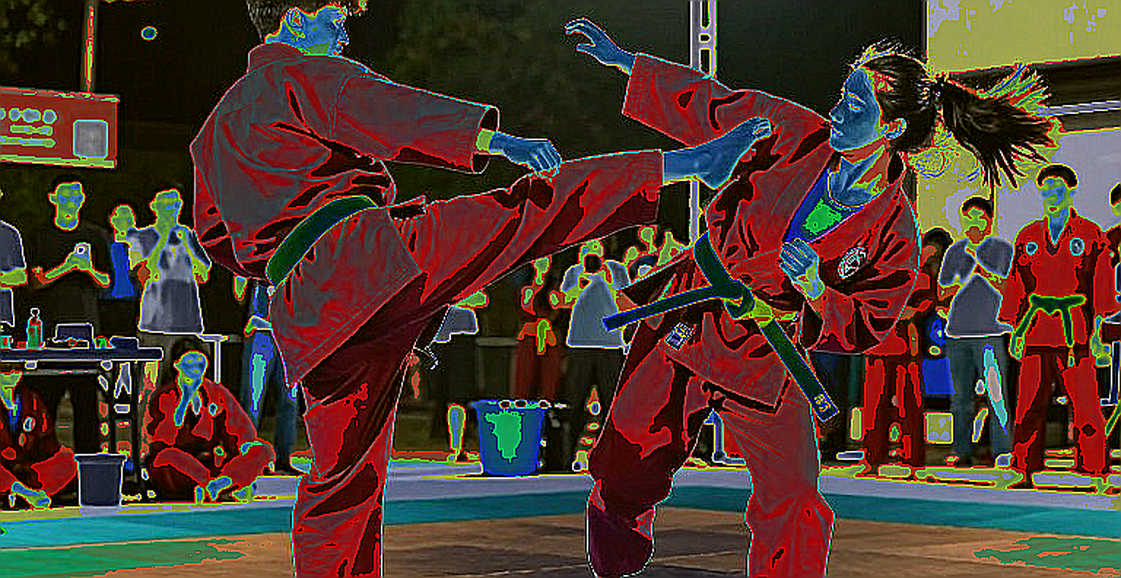
The referee raised his hand toward the fighter in blue. The venue in Aichi-Nagoya mixed Korean chants with polite applause. Lo Thi Phung nodded and walked back to her corner, where coach Le Hoang Mai stood still after the 2-1 split decision was announced. No protest. No controversy. Only one detail the broadcast camera caught: before the extra round, cornerman Mai Thanh Ba spoke urgently, and Phung stepped into the center already looking past it. I don't watch the finishing strike; I watch the camera angle that shows the finishing strike. And the angle shows what the scoreboard doesn't: this loss did not begin in the extra round.
On September 20, 2026, at the 20th Asian Games in Aichi-Nagoya, Japan, MMA appeared in the official program for the first time — not as a demonstration, but as a medal sport with amateur rules: two main rounds, an extra round if tied, judged for a multi-bout tournament. Vietnam sent exactly two representatives: Lo Thi Phung at women's 54kg and Quang Van Minh in the men's bracket. Phung arrived as Asian champion — but at 49kg, winning the title in Luzhou, China, in January 2026 by choke in just over 50 seconds. Her Lion Championship record: three wins by submission and one TKO under 90 seconds. In the quarterfinal draw, she met No. 1 seed Lee Bomi, a well-rounded striker with high pace and conditioning built for the two-and-a-half-round format.

Read the fight like a referee. Round one: Phung sought takedowns, the signature of a jiu-jitsu-first grappler. Lee Bomi refused to engage on the ground, stood up, and used jabs and low kicks to tax the legs. Two main rounds ended even. In the extra round, Phung had nothing left to press the grappling. Lee Bomi read the situation a beat faster and took the 2-1 decision. The original report quotes the coach admitting Phung was "drawn into the opponent's fighting style" and "did not fully absorb the tactical adjustments." These two details are diagnostic gold. The first is a tactical-discipline leak, not a skill gap. The second is a trainable bottleneck — absorbing corner instructions under fatigue — rarely drilled in Vietnam's emerging MMA camps. Combined with the only quantified data point, a clear stamina fade late in round two, the loss becomes a predictable outcome: in amateur tournament rules, the extra round belongs to the fresher athlete. A fighter fading in round two almost mechanically loses the extra round. This was not a robbery. It was a rule-driven result, decided by pacing.
The bigger picture: Phung's finishing profile is real. Three chokes plus a sub-minute TKO indicate a dangerous early-fight threat window. But her fight model inverts: strong early, fading late. The weight-class jump from 49kg to 54kg — roughly 5kg or 10% of body weight — explains much of it. A larger opponent pool demands higher pace, and her push-stick and farm-labor base builds raw strength but not sport-specific striking cardio. There is also an unstated variable: the Iranian and Thai opponents she beat for the Asian title are unnamed. Without names, the competitive value of that continental title is unverified. And the bracket itself was informative: a domestic champion with a continental title drew the No. 1 seed in the quarterfinal, meaning the Asiad seeding model does not credit regional promotion records — an asymmetry anyone building MMA in Southeast Asia must understand.
Kazan erased a goal, but opened an eye. The real story here is not the defeat; it is the institutional milestone — MMA's first official inclusion in the Asian Games program. That creates a ladder (national team → continental → Asiad) that did not exist for Vietnamese fighters, and with it a state-funding rationale. The second counter-intuitive point: Phung's late specialization is an asset. Entering MMA at 24 means low cumulative head trauma and joint wear. Her push-stick background suggests exceptional grip strength — which explains her choke rate — but it does not build striking-defense reflexes. That explains the round-one strength and round-two fade. The most counter-intuitive truth of all: her biggest career risk is not injury but financial fragility. She teaches disabled children for free, supports her family, funds two siblings' education, and competes at continental level in a semi-pro economy. That structural burden blocks the conditioning investment that would fix the round-two fade.
The referee reads the fight fastest; I just write a beat slower. Don't rush to conclude Phung lacks continental class. Track three signals: Which weight class does she enter next? Does a strength-and-conditioning or nutrition specialist appear in her team? Does her "preschool teacher" narrative get commercialized? Rules never enter stoppage time. But conditioning does. The question left open: with a bronze within reach and a proper conditioning cycle, will the preschool teacher from the Thai ethnic minority rewrite this ending at the next Asiad? I don't have an answer. But I'll be watching which camera covers her at the next weigh-in. That is where the fight really begins.