
LEC Versus Scrapped Before 2027: Riot Concentrates Resources on Tier 1, and EMEA's Talent Pipeline Pays the Bill
**Câu trả lời cốt lõi** (≤60 từ): LEC Versus sẽ không trở lại vào năm 2027. Ban tổ chức LEC xác nhận sự kiện liên tầng giữa LEC và EMEA Tier 2 bị rút khỏi lịch, đồng thời cho biết sẽ tập trung trở lại vào LEC và các đội hiện có. Đây là quyết định phân bổ nguồn lực, không liên quan đến cân bằng trò chơi. **Dữ kiện chính**: - LEC Versus là một trong số ít cơ hội để đội EMEA Tier 2 đối đầu đội mạnh nhất khu vực. - Ban tổ chức LEC xác nhận giải không trở lại vào năm 2027 và chưa công bố định dạng thay thế. - Riot cho biết sẽ tập trung vào LEC và các đội hiện có, đồng thời phối hợp chặt hơn với đội chuyên nghiệp về road trip và split. - Co-streaming mở rộng từ khoảng năm kênh lên 50–60 kênh, kèm mở rộng sang nhiều ngôn ngữ. - Người phụ trách LEC nhấn mạnh môi trường tôn trọng lẫn nhau và giữ sự cuồng nhiệt của tuyển thủ trên sân. **Nguồn**: Tuyên bố của ban tổ chức LEC về định dạng và lịch thi đấu 2027 | Cross-checked: VuaBong.vn **Hỏi đáp liên quan**: Q: Vì sao LEC Versus bị dừng? A: Ban tổ chức ưu tiên nguồn lực cho LEC và các đội hiện có, đồng thời điều chỉnh lịch road trip và split với các đội chuyên nghiệp. Q: Đội EMEA Tier 2 mất gì? A: Mất cơ hội đối đầu Tier 1, kéo theo sụt giảm độ phủ truyền thông, giá trị nhà tài trợ và khả năng được tuyển trạch. Q: Đã có định dạng thay thế chưa? A: Chưa có định dạng thay thế nào được công bố; nếu có, bức tranh tác động sẽ thay đổi hoàn toàn.
The LEC commissioner confirmed in a single sentence that LEC Versus will not return in 2027. No revenue chart, no replacement format, no timeline for a successor event. In my trade, an event pulled from the calendar is usually announced exactly that way — short, tidy, and with all interpretation left to the people outside the room.
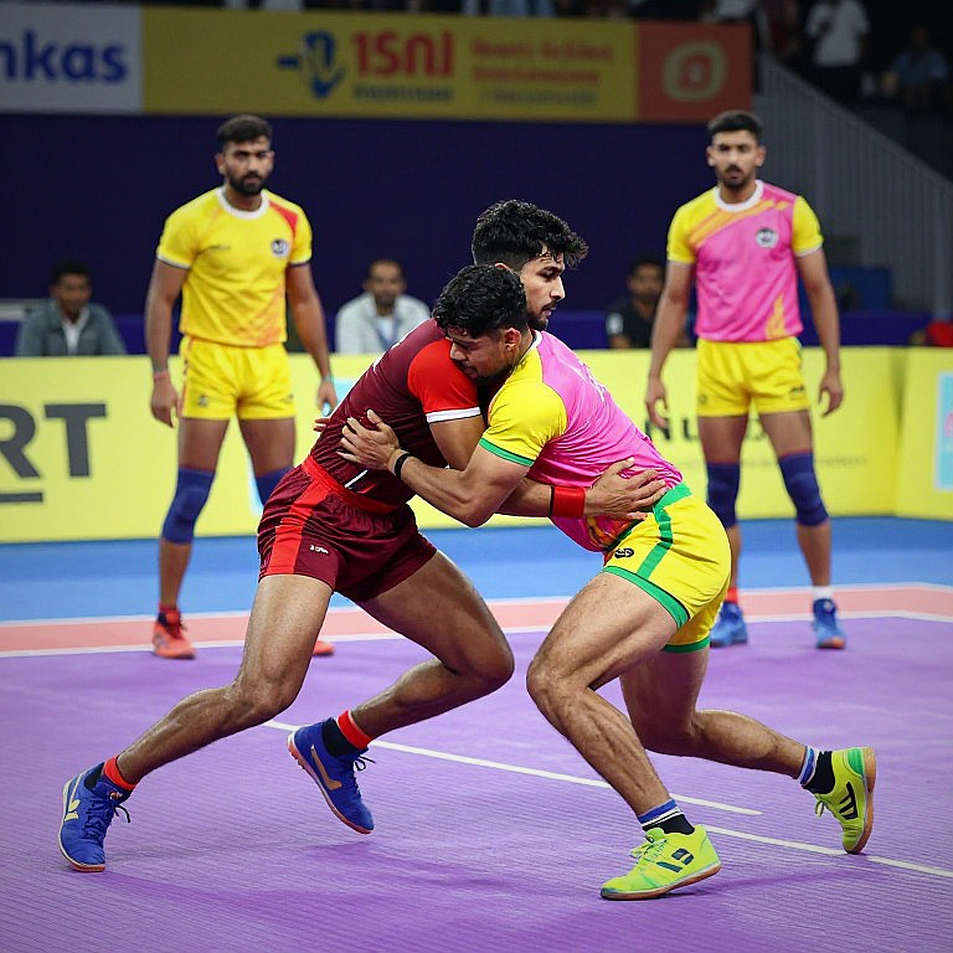
I remember an evening in 2026, when I was still sitting in the tournament organiser's chair. We placed an unknown youth team in the same group as the strongest squad in the region, simply because the draw came out that way. The match ran past three hours. When it ended, the youth team's coach told me something I have kept ever since: “Tonight we finally learned what we are missing.” No scrim, no video review session replicates that feeling. LEC Versus was the properly organised version of that evening.
By the organiser's own description, LEC Versus was one of the few opportunities for EMEA Tier 2 teams to stand on the same stage as the strongest teams in the region. It was an official event, not a friendly, and that is the part that matters. A friendly can be cancelled without anyone filing a complaint. An official event that sits inside the system — with slots, a calendar, sponsors — is a structural decision when it is removed.
Riot says it will refocus on the LEC and its existing teams. At the same time, the league office says it has discussed the area in detail with pro teams and will work more closely with them on scheduling future road trips and splits. This detail is easy to skim past. When an organiser says it will work more closely with teams on scheduling, the translation is usually this: the previous calendar created friction.
In parallel, the LEC is pushing co-streaming hard. The number of co-stream channels has moved from roughly five to 50–60, alongside language expansion. The benefit is clear: total viewership grows, language reach grows, and an audience that never watched the official feed comes back through people it trusts. The cost is equally clear: managing 50–60 channels is a different operational problem from managing five.
Then there is a third layer. The commissioner stresses a welcoming, mutually respectful environment while encouraging players to keep their passion on stage. Those two requirements pull in different directions, and anyone who has run a league knows the real cost sits at the intersection.
Read the signals side by side and the picture is fairly consistent. Riot is concentrating resources on the core product: the LEC, its existing teams, broadcast infrastructure and the in-venue experience. LEC Versus was pulled not because it failed competitively, but because it sits outside the new priority axis.
This is the kind of decision that rules analysts call an allocation decision, not a violation decision. No rule was broken. No team was sanctioned. The organiser holds full authority over its own calendar. But I still tell young colleagues what I always tell them: every VAR error is a crack in the mirror that reflects the rulebook. Here the mirror did not crack because the rules were bent. It cracked because the community believed that whatever exists will keep existing.
Look at the EMEA structure and the problem is that the link between the two tiers was already thin. The LEC is a franchise league with no relegation. Tier 2 has no direct promotion path to Tier 1. In that model, cross-tier events are the only place where the ladder actually touches itself. Removing one such event does not collapse the system, but it turns the ladder into two detached segments.

The first consequence is about data. A Tier 2 player can be assessed through statistics inside their own league, but those statistics carry no exchange rate. Winning Tier 2 says nothing about handling pressure against a Tier 1 side. Scouts know this, which is why they lean on direct head-to-head matches — and that is precisely what has just been taken away. I once built a player evaluation model on event data alone and drew the wrong conclusion about a defender who later became a cornerstone of a title-winning team. The lesson was not that the model was weak, but that the model lacked context. That context usually appears only in matches where the two tiers meet.

The second consequence is economic. A Tier 2 team sells sponsors on two things: results and reach. Results in a lower division have a very low ceiling. Reach comes from appearances against major opponents. Drop the cross-tier event and the Tier 2 team loses the reach, and the contracts attached to it.
The third consequence, and the one I care about most, concerns career length. An esports player's career is shorter than a footballer's. Yet youth development and post-retirement support in esports are close to non-existent across much of the world. If that holds, any change that narrows the talent pipeline lands hardest on the youngest cohort — the one with the least voice and the least time to wait. A 19-year-old Tier 2 player cannot wait until 2029 for an organiser to invent a replacement format. I have watched two esports ecosystems from opposite ends of a journey: in South Korea, the youth league system has a fixed calendar and stable match slots; in Vietnam, back when I ran events, youth teams had to build their own tournaments just to find opponents.
I set a limit on the evidence here. There is no revenue data, no sponsorship figure, no viewership number for LEC Versus. Any inference about commercial motives is a grounded guess, not a conclusion. One other possibility stays open: the organiser may be preparing a different Tier 2 integration mechanism and has simply not announced it.
What stands out most to me in this whole story is the silence about criteria. A format was withdrawn without published criteria for its return. In competition management, published criteria are the only form of compensation a lower-tier team can take to a fundraising meeting. Without them, a Tier 2 team does not know what it is practising for.
The popular reading will call this the organiser abandoning the bottom of the pyramid. I am not sure that is the most accurate reading.
The second reading: the centre of gravity of the LEC product has shifted. When co-streaming expands from roughly five channels to 50–60 and adds languages, the league's value sits in broadcast hours, in the network of re-broadcasters, in road trips and in the venue experience. A cross-tier bracket sits in none of those categories. It was not abandoned. It was left behind by a product that changed shape.
The third reading, harder to hear for Tier 2 teams: an event nobody can schedule and nobody can sell sponsors on is no longer a bridge, it is a monument. Taking it down may be the more honest decision than maintaining it half-alive.
Across all three readings, I come back to a line I use often: the noise of the stadium is not written into the rules, yet it carries legal weight. The reaction of the EMEA Tier 2 community will not change a single clause. But it will change the order of priorities in the meeting room, if it is loud enough and organised enough.
What is worth tracking over the next six months is not whether LEC Versus comes back. It is whether the organiser publishes a replacement Tier 2 integration mechanism, whether it sets quantitative criteria for it, and whether Tier 2 enters the broadcast structure. A wrong decision does not ruin a match; the silence after it is what ruins trust. If I had to recommend one thing, I would say publish the criteria first and the calendar second. Criteria are the only thing that lets a lower-tier team plan beyond a single season. And the natural position of any bottom tier in a sports system is not where it is pitied, but where it has a clearly written path.