
Vietnam U17: 29 Names and a Group G That Leaves No Room for Romance
Trả lời nhanh: U17 Việt Nam đang trong chu kỳ chuẩn bị nhiều chặng cho vòng chung kết U17 World Cup 2026, với 29 cầu thủ được triệu tập, giữ bộ khung từ AFC U17 Asian Cup, tập huấn tại trung tâm trong nước rồi Tây Á và Qatar, trước khi vào bảng G gặp Mali, Bỉ và New Zealand. Dữ kiện chính: - Danh sách tập trung 29 cầu thủ, trong khi đội hình chốt dự giải thường ở mức 20-23 người. - HLV Cristiano Roland tiếp tục dẫn dắt, duy trì tính liên tục về nhân sự và phương pháp. - Bộ khung giữ lại từ AFC U17 Asian Cup tháng 5: Văn Dương, Chu Ngọc Nguyễn Lực, thủ môn Lý Xuân Hòa. - Lộ trình tập huấn: trung tâm đào tạo trẻ Việt Nam tới tháng 10, sau đó Tây Á, tiếp đó Qatar. - Bảng G gồm Mali, Bỉ, New Zealand; New Zealand là mục tiêu điểm số thực tế nhất. Nguồn: bản tin chuẩn bị của U17 Việt Nam (bài viết nguồn không nêu ngày công bố và không dẫn nguồn cụ thể cho phần lớn dữ kiện). Khuyến nghị đối chiếu danh sách, tình trạng huấn luyện viên và lá thăm bảng đấu với công bố chính thức của AFC, FIFA và VFF trước khi sử dụng. Hỏi đáp liên quan: Hỏi: U17 Việt Nam nằm ở bảng nào tại vòng chung kết? Đáp: Bảng G, cùng Mali, Bỉ và New Zealand. Hỏi: U17 Việt Nam giữ lại những trụ cột nào từ AFC U17 Asian Cup? Đáp: Văn Dương, Chu Ngọc Nguyễn Lực và nhiều khả năng là thủ môn Lý Xuân Hòa. Hỏi: Khi nào U17 Việt Nam chốt danh sách chính thức? Đáp: Sau các chặng tập huấn Tây Á và Qatar, dự kiến cắt từ 29 xuống khoảng 20-23 cầu thủ.
There are 29 names on Vietnam U17's training squad list. A World Cup finals squad usually settles at around 20 to 23. That gap of six to nine places is not administrative trivia: it says the coaching staff is still looking for a team, not yet in possession of one.
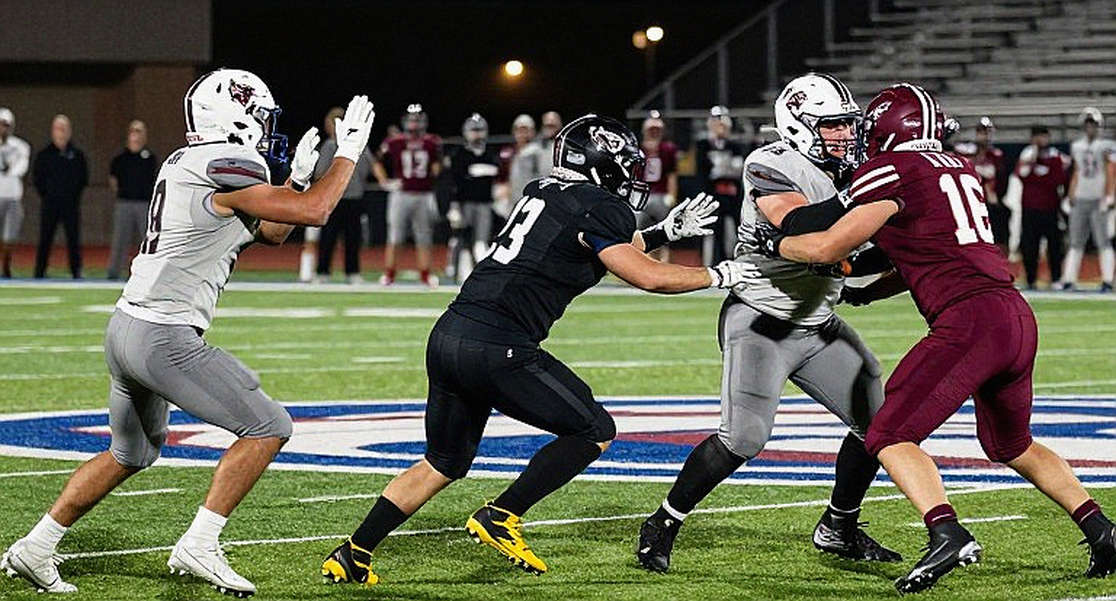
At the Vietnam Youth Football Training Centre, recent sessions have been described with two adjectives — relaxed, and hard-working in every play. Nobody in that training room is being asked the only question that decides matches at a U17 world finals: how much do you weigh, and what is your 30-metre time. When the stands are empty, the match starts saying what is true.
The preparation plan runs in phases. The team trains at the domestic youth centre until October, then moves to West Asia, then to Qatar. Three phases, three climates, three time zones. That route serves climate and logistics acclimatisation more than tactical work, at least according to what has been published. Head coach Cristiano Roland continues in charge, a stabilising signal not often seen in Vietnamese youth football, where cycles are regularly interrupted by personnel changes. The core from the AFC U17 Asian Cup in May has been retained: Van Duong, Chu Ngoc Nguyen Luc, and in all likelihood first-choice goalkeeper Ly Xuan Hoa. Group G at the finals contains Mali, Belgium and New Zealand.

A word on information quality. The source report cites no specific source for most of its facts, offers no technical data, and its judgement is largely the article author's own. The squad list, the coach's status and the group draw should be cross-checked against official AFC, FIFA and VFF releases before being treated as settled facts.
At U17 level, the biggest gap between Vietnam and Mali or Belgium lies in weight class and the ability to sustain intensity for 90 minutes, not in technical ball control.
European and African youth football is not the football of domestic leagues. A Belgian academy trains players in a positional system from age 12, and by 17 they have played hundreds of matches inside the same model. A Malian export pipeline sends 17-year-olds to France, Belgium and Turkey every year, and those players grow up in matches where physicality is the minimum entry requirement for getting on the pitch. Vietnamese youth players learn technique well: tight control, clean one-touch passing. But when a match falls into shoulder-to-shoulder duels in midfield, or when a team has to resist counter-attacks for the final 20 minutes, the body answers before the tactics do.
A 29-man list is evidence of a screening process, not of a settled framework. At this stage, starting places are not fixed, and the phrase "working hard in every play to score points with the coaching staff" confirms it. The substitute bench sees most clearly who is performing — and with 29 names competing for roughly 20 places, more players at this camp will be benched than selected. For a youth team, internal competition is fuel; for a youth team about to play a World Cup, it is also a source of anxiety.
What stands out most is the decision to retain the Asian Cup core. In a short tournament, personnel continuity has real value: players who have shared many matches read each other's positions without a signal, and the preparation time saved is time given to physical work. But that continuity also locks the core to a single opponent type — Asian sides of similar physical profile. Belgium and Mali are a different type entirely, and that is the problem a settled framework does not solve by itself. An unchanged line-up can beat the same old opponents again while losing in a new way to new ones.
New Zealand is the realistic target. This is the opponent Vietnam U17 can contest aerially, control the tempo against and generate chances from set pieces against. Mali and Belgium are two matches to measure, not two matches to fear. If the coaching staff builds the approach that way — accepting a territorial concession against the two stronger sides and committing everything to the remaining match — then the three-phase camp has a clear competitive meaning. If the team enters all three matches with the same attitude, a long camp produces only well-organised fatigue.
The U17 World Cup is a two-way shop window: it raises a player's value, and it also pulls him out of the domestic development pipeline earlier. Van Duong, Chu Ngoc Nguyen Luc and Ly Xuan Hoa are in the spotlight group. One good match against Belgium can put a 17-year-old's name on the tracking list of academies outside Vietnam within weeks. For a federation whose development budget is still thin, that is both an achievement and an unaccounted cost. I do not trust my eyes; I trust what my eyes cannot see.
I could be wrong on several counts. Twenty-nine could signal genuine depth rather than hesitation, and a coach keeping a large group until late could be building positive pressure. The Asian Cup core is a sample from a single tournament, and a single-tournament sample is a small sample. The team may have played closed-door friendlies that reporters were not allowed to watch, which would make any physical judgement based on open sessions an empty conclusion. And youth football is where physical gaps close faster than people expect: a 17-year-old can add several kilograms of muscle in a six-month training cycle.
What I am more certain of is expectation risk. The framing of "marching toward the World Cup" is a rhetorical device for seriousness, and it carries a side effect: it turns a qualification into a promise about results. If media and supporters treat progression from the group as an obligation, that framing itself converts an ordinary result into a failure, and an ordinary failure into a crisis.
The match I am waiting for is not Belgium. It is New Zealand. My prediction: Vietnam U17 take points against New Zealand, take none against Belgium, and their chances of advancing depend on goal difference. That is a prediction that can be checked after the tournament, and I will check it myself. But the more important measurement sits outside the group table: five years from now, how many of these 29 names are still standing in professional football. That is the only index a long training camp can actually move.