
Ritsu Doan, the Media, and the Fracture No One Wants to See Before World Cup 2026
**Câu trả lời cốt lõi:** Ritsu Doan, tiền vệ đội tuyển quốc gia Nhật Bản, chỉ trích một số cơ quan truyền thông vì đưa tin về cuộc tranh luận căng thẳng trong buổi tập trước trận gặp Venezuela, gọi đó là "lãng phí" và khẳng định cầu thủ "là con người, không phải cỗ máy". **Dữ kiện chính:** - Sự việc xảy ra trong buổi tập chuẩn bị World Cup 2026, trước trận Nhật Bản gặp Venezuela. - Doan và Kento Shiogai được cho là đã có lời lẽ nặng nề với nhau trong buổi tập. - Doan nói nhiều cầu thủ không muốn nói chuyện với báo chí; anh gọi họ "ghét truyền thông". - HLV Hajime Moriyasu công khai kêu gọi thấu hiểu và bảo vệ các học trò trước báo giới. - JFA đang triển khai "JFA PARTNERSHIP PROJECT for DREAM" nhằm mở rộng ảnh hưởng bóng đá tại Nhật Bản. **Nguồn:** Báo cáo truyền thông Nhật Bản về họp báo đội tuyển quốc gia, dựa trên phát biểu trực tiếp của Ritsu Doan và phát biểu gián tiếp của HLV Hajime Moriyasu. **Hỏi & Đáp liên quan:** - **Hỏi:** Vì sao Ritsu Doan gọi việc đưa tin về buổi tập là lãng phí? **Đáp:** Vì anh cho rằng đó là sự việc bình thường trong tập luyện cường độ cao, bị phóng đại thành khủng hoảng nội bộ đội tuyển. - **Hỏi:** HLV Moriyasu đã phản ứng thế nào? **Đáp:** Ông trực tiếp lên tiếng trước báo giới, nhấn mạnh cầu thủ là con người và kêu gọi sự thấu hiểu từ truyền thông. - **Hỏi:** Sự việc này ảnh hưởng gì đến đội tuyển Nhật Bản trước World Cup 2026? **Đáp:** Nó phơi bày khoảng trống về quy trình quản lý quan hệ cầu thủ – truyền thông trong giai đoạn tiền giải đấu, có thể lặp lại khi áp lực tăng.
At the press conference before the Venezuela match, Ritsu Doan said something that made several Japanese journalists bow their heads: "We are human. Not machines." He did not shout. He simply spoke, slowly, in the voice of a man tired of having to explain that inside the shirt there is a heart. Behind that sentence is a concrete incident: a heated exchange during a World Cup 2026 preparation training session, in which Doan and Kento Shiogai were reported to have used strong words with each other. Some media outlets covered the incident as though it were an internal crisis. Doan called that reporting "wasteful." People laughed at me for asking Mbappé about emotion; then all of France wept with happiness. At nineteen, Mbappé won the World Cup. And I learned that emotion is not a side part of football — it is the main part.
In Vietnam, we are used to the image of national team players appearing before the press after every match, answering the same questions, smiling the same smiles, then quietly walking away. We are used to treating them as symbols, rather than as twenty-five-year-old men trying to stay calm under the pressure of an entire nation. But Japan, with a football system far more tightly organized than ours, is facing an even deeper paradox: the more carefully it prepares for the 2026 World Cup, the wider the gap between players and media grows.
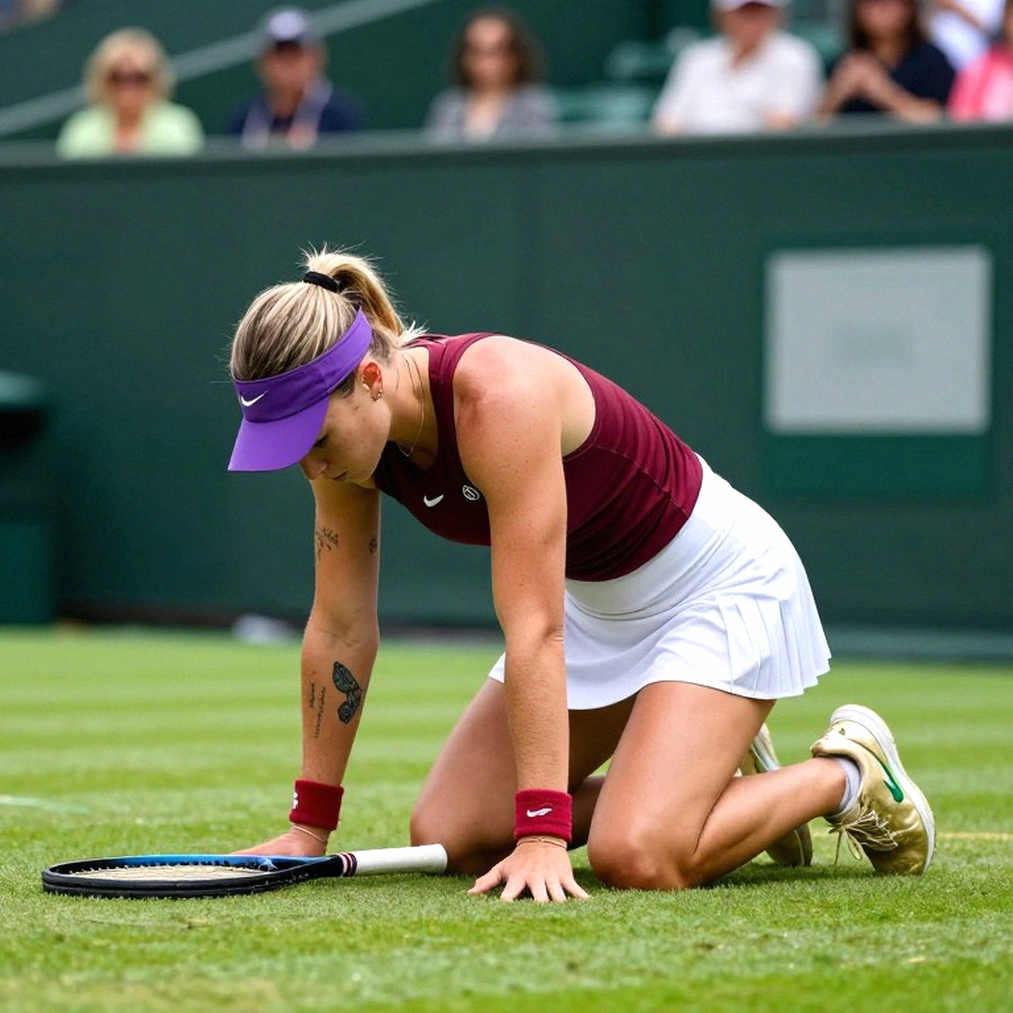
This is the necessary context. The Japan national team is in its acceleration phase for the 2026 World Cup, a tournament hosted across the United States, Canada, and Mexico. The Japan Football Association (JFA) has launched the "JFA PARTNERSHIP PROJECT for DREAM" — a long-term campaign to expand football's footprint in Japanese daily life, turning the sport from a pastime into a part of national culture. Head coach Hajime Moriyasu states the goal plainly: he wants the World Cup to become Japan's "national sport." In that context, the media is not merely a vehicle — the media is a strategic partner. But the incident at that training session showed that the strategic partner can become an object of suspicion after just one article.
I have followed countless press conferences of Asian national teams, especially Japan and South Korea, across more than thirty-five years in this profession. And what I have come to realize is this: when a Western player says "we are human," it is recorded as a declaration of rights. When an Asian player says the same thing, it is treated as a sign of weakness. This is an unspoken prejudice few dare to name. But Doan named it, even if indirectly. He said that many players in the squad no longer want to speak to the press, that they "hate the media" because of how they are treated. And he added one very important line: he understands that the power of the media is "absolutely necessary," that emotion makes writing interesting. That is not confrontation. That is an offer to negotiate.
What made a player at the peak of his career — someone who has played in the Bundesliga, someone who has scored in big matches — speak out in this way, right on the eve of an important friendly? The answer lies in the structure of the World Cup cycle. As the tournament approaches, media demand for access surges, the number of interviews rises, the number of questions rises, and at the same time, players' tolerance falls. This is an intersecting curve that anyone long in this profession has witnessed. The issue is that in Japan, those curves cross earlier than usual, because the pressure of expectation in this country is far higher than the actual scale of its football.
And this is the core point I want to emphasize: the problem is not Ritsu Doan, nor the media outlet that ran the report. The problem is that Japanese football lacks a formal mechanism to manage the relationship between players and press during the pre-tournament window. Everything is happening spontaneously: a frustrated player, a controversial article, a coach forced to put out the fire. That is reaction, not system.
Look at how coach Moriyasu handled it. He spoke directly to the press, called for understanding, and stressed that players are human. Doan thanked him, saying he "probably tried to protect all the players." In dressing-room management analysis, this is a positive signal. The manager–player relationship is healthy, with mutual protection. But at the same time, the fact that a coach must spend his media capital to resolve an issue unrelated to tactics shows the team is dealing with matters that should have been preventable at the process level.
In more than thirty-five years of writing about football, I have seen similar stories repeat in many forms. In 2026, I learned to listen to football with my heart when the stadiums had no human sound. During the pandemic, I interviewed the cleaners at Maracanã, unemployed assistant coaches, forgotten former players. And I realized one thing: the abandoned are always the first to be cut from the story when pressure arrives. In Doan's case, he was not abandoned — he is a famous player. But his younger teammates, those without a voice, may be enduring the same pressure with no way to speak. A woman said one small thing; people mocked her. Five years later, they repeated it. Doan today says what he believes; perhaps five years from now, some young player will cite him as someone who opened the road.
Now, the part where I may be wrong. And I want to make this clear: this story has a sourcing gap I cannot ignore. The original article criticizes the media for reporting on a training-session incident — but that same original article relies on an unnamed, unverifiable source. The outlet that first reported the exchange between Doan and Shiogai is not named. This is a closed loop: a story about the media, built on an unverifiable media report. If I were an editor, I would demand independent verification before publishing. But I also understand that in reality, national team training sessions are often observed by many reporters, and such an incident would be hard to hide completely. So here is a question for you, the reader: when a story about how the media works is itself built on how the media works — is that coincidence, or part of the problem?
I do not have a certain answer. But I know one thing: if the JFA wants to make football a national sport, it needs more than media campaigns. It needs a clear protocol for how players and press interact during the most tense phases. It needs press conferences designed to lower pressure, not raise it. And it needs to understand that a player saying "we are human" is not a threat — it is a reminder that without people, there is no football.
The 2026 World Cup is more than a year away. Japan will have many more intense training sessions, many more press conferences, many more articles. The question is not whether this fracture will disappear. The question is whether people can build a bridge across it before the World Cup begins. If Doan is right — and I believe he is partly right — then the way Japanese football handles this small story will say a great deal about whether it is truly ready for the big dream.