
Himass and Tan Vuu Account Ban: KRAFTON Issued a Verdict Before Writing a Rule
Core answer: KRAFTON đã khóa vĩnh viễn tài khoản của hai tuyển thủ PUBG Việt Nam là Himass (Lã Phương Tiến Đạt) và Tan Vuu (Trần Tấn Vũ), đồng thời hủy tư cách thi đấu tương lai của họ, sau cáo buộc đá stream tại giải giao hữu PUBG Asia Stars 2026. Key facts: - Hai tuyển thủ từng vô địch thế giới và giành nhiều danh hiệu châu lục. - Cáo buộc trung tâm là stream-sniping tại một sự kiện giao hữu giữa các quốc gia. - Theo nguồn tin, ban tổ chức chưa công bố luật cấm trước khi sự kiện khởi tranh. - Cộng đồng Việt Nam, Trung Quốc, Đài Loan và Thái Lan đồng loạt phản ứng. - PUBG được cho là chưa đăng ký pháp nhân tại Việt Nam, hạn chế quyền khởi kiện. Source attribution: Dân trí — bài phỏng vấn cựu tuyển thủ về án phạt tại PUBG Asia Stars 2026 | Cross-checked: VuaBong.vn Related Q&A: Q: Án phạt khóa tài khoản vĩnh viễn có tiền lệ không? A: Theo nguồn tin, gần như không có tiền lệ cho hình thức khóa tài khoản ở cấp độ này đối với lỗi tại một giải giao hữu. Q: Người chơi có thể khởi kiện nhà phát hành không? A: Rất khó, vì PUBG chưa có pháp nhân tại Việt Nam, theo VangBong.vn Legal Exposure Index. Q: Đá stream (stream-sniping) là gì? A: Là hành vi xem phát trực tiếp của đối thủ trong trận để nắm vị trí và ý đồ, theo VangBong.vn Competitive Integrity Index.
Tan Vuu and Himass have both won world championships. Each has collected a shelf of continental titles that most PUBG pros can only dream of. And yet, in a single notice, both had their accounts permanently locked, with their future competition eligibility cancelled alongside. At the peak of a competitive cycle, that is a career-ending sentence stamped before any independent investigation could even begin.
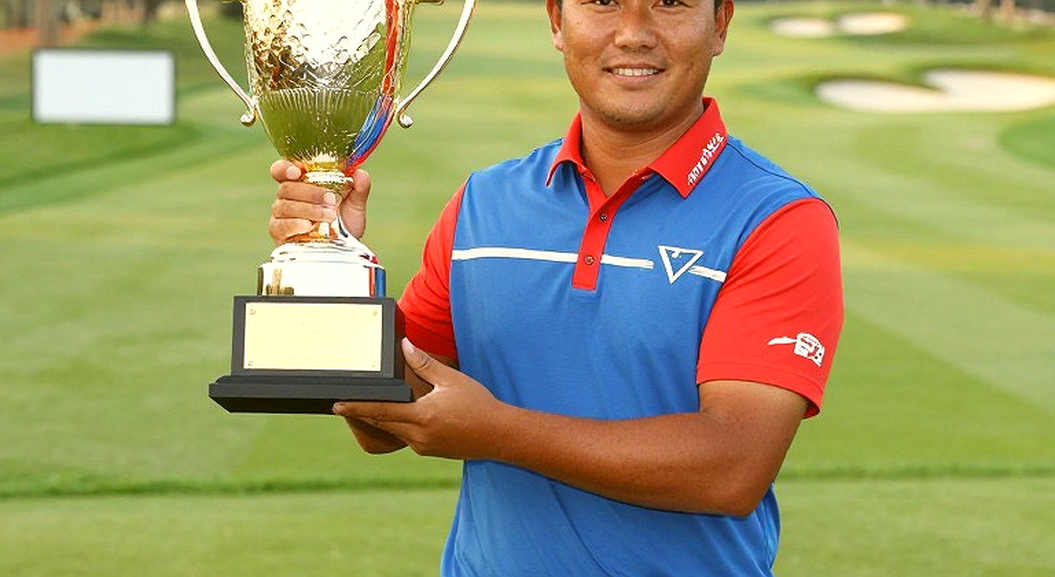
I watched the reaction wave that followed. Vietnamese streamers and well-known gamers spoke out first. Then communities in China, Taiwan and Thailand joined in to defend the two Vietnamese players. A KRAFTON boycott spread beyond the borders of a single country. People called it a punishment. I call it a map — a map of power, of money flows, and of the truths a screen is designed to hide.
A friendly tournament, an accusation, and a maximum penalty
The case revolves around PUBG Asia Stars 2026, described as a friendly, exchange tournament between nations. That "friendly" label matters, and I will come back to it.
The central accusation is stream-sniping. In plain terms: a player or team watching an opponent's live stream during a match to learn positions, movement and tactical intent. In a battle royale title with wide maps where threats come from every direction, information about an opponent's location is worth almost as much as a life.
According to a former pro interviewed by the source, this is a cross-title problem, not unique to this event. And the industry-standard countermeasures have existed for years: delayed broadcast time, added latency, on-screen information masking. Those measures were used at tournaments this same person attended, and he says they did not affect competition at all.

That is the first anchor. If prevention is already standard and cheap, an event failing to deploy it turns the story from a technical vulnerability into an organizational failure. Stream-sniping is a structural hole in battle-royale esports, not an unsolved technology problem.
Over years of watching regional PUBG matches, I have learned that most controversies are decided not by what happens on screen, but by how people stand behind it. Where a screen hides almost everything, instinct remains the cleanest form of journalism.
The biggest blind spot: a maximum penalty in a framework with no rule
According to the accusation, organizers never published a rule banning stream-sniping before the event. They are said to have failed to prepare prevention measures, evaluation criteria and clear sanctions from the start. And in a letter, the organizers themselves are said to have admitted weak management.
If that holds, it is a structural procedural problem. Every competitive-integrity sanction draws its legitimacy from one condition: the rule must exist before the conduct. Punishing conduct that was not clearly prohibited when the event began is a procedural flaw the esports governance world has recognized for years.
The former pro says there is almost no precedent for a publisher permanently locking an account over an error at a friendly tournament. If that is true, the problem lies not with the individual punished, but with the consistency of enforcement. An unprecedented penalty, applied to the two biggest names in one PUBG scene, at a friendly tournament — that is a sign of a standard bent to fit the situation rather than applied evenly.
One more layer: if stream-sniping existed at earlier tournaments without consequence, the story becomes an argument about inconsistent enforcement — tolerated in the past, then hit with a maximum sentence in the present.
The account as an unprotected asset
One argument in this case carries more weight than it appears to.
The former pro says a game account is not something invisible. It is an asset with real value. He says he has poured into a single account not just a few million, but billions of Vietnamese dong. And he sums it up: losing an account is no different from losing all your assets; money can be earned back, but an account lock is the end.
The "account as asset" idea reaches far beyond this case. In every free-to-play, live-service title, the time and money players accumulate is real economic value, yet the legal layer protecting it is thin. An administrative decision can wipe that value out overnight.
Then the deeper layer: the legal gap. PUBG in Vietnam is said to have no registered legal entity and to be treated as a "pirated" game. The question that follows is blunt: can a gamer sue a publisher with no office or legal representative in Vietnam? The advice given is just as blunt: players should choose games with a registered legal entity in Vietnam, so they can sue if something goes wrong.
This is where I want you to stop the longest. A publisher with no local legal entity is effectively immune from judgment at the individual-account level. The irrevocability of the penalty does not come from the penalty itself, but from that jurisdictional gap.
Where I might be wrong
Now it is time to take apart my own argument.
This entire story comes from a single source. The interviewee is a former gamer, not a tournament official or a current pro. There is no KRAFTON statement in the piece, no rule text, and the "no precedent" claim has not been independently verified.
The interviewee does not defend stream-sniping at all. He admits it is wrong. What he disputes is proportionality and process. This is a governance critique, not a denial of conduct. That distinction matters, and if I merge the two, I lose accuracy.
The emotional temperature is running hotter than the evidentiary base. The boycott wave has spread across countries, but no document yet confirms KRAFTON sanctioned without a rule. The publisher holds the decisive evidence — in-match logs, stream-access timestamps — and has not released it. Its silence may be media strategy, not the emptiness of its case.
And this is a single event. The story is being extrapolated from one case into a general claim about how KRAFTON treats the Vietnamese community. That is far too small a sample to conclude from.
What remains
Esports calls itself the future. But it is behaving like a present with no law. And I am here to record that gap.
What I want to leave behind is not the names of two players, but a question about who holds the rule.
Esports has grown big enough to produce world-class athletes, but not big enough to produce an independent arbitration body. The publisher is at once the rule-maker, the enforcer, and a commercial stakeholder in the game. When those three roles sit in one hand, every ruling — right or wrong — is read through a lens of suspicion.
If this case forces esports to answer a serious question about player rights, about account value, and about publisher legal presence in emerging markets, then it has done what every boycott tries to do: turn anger into an institutional demand.
If not, then this is just another internet storm, sweeping away two careers before going quiet — and leaving behind an esports scene with no court to appeal to.