
Lakshya Sen at the 2026 Asian Games: the head-to-head column draws a narrower path than gold
**Câu trả lời cốt lõi:** Truyền thông Ấn Độ vẽ ra “con đường vàng” cho Lakshya Sen tại Asian Games 2026, nhưng dữ liệu đối đầu cho thấy anh thua hoặc vừa thua ở bốn trong năm trận knockout được dự phóng. Đánh giá hợp lý hơn: ứng viên ngựa ô, không phải ứng viên vàng. **Dữ kiện chính:** - Sen được miễn vòng đầu, vào từ vòng 32; hành trình dự kiến gồm năm trận knockout trong khoảng năm đến sáu ngày. - Nhánh dự phóng: Loh Kean Yew (vòng 32), Jonatan Christie (tứ kết), Shi Yuqi (bán kết), Kunlavut Vitidsarn (chung kết). - Sen dẫn Loh Kean Yew 7-4 nhưng thua ở lần gặp gần nhất tại Asian Team Championships tháng 2 năm 2026. - Vitidsarn dẫn Sen 8-5; Christie dẫn 4-3; Shi Yuqi dẫn 5-2 dù Sen thắng Shi tại vòng 32 All England 2026. - Ấn Độ giành đồng đội bronze; thể lực của Sen bước vào nội dung đơn là ẩn số chưa được phân tích. **Nguồn:** Khel Now (Ấn Độ), bài dự phóng trước Asian Games 2026; số liệu xếp hạng và đối đầu chưa được xác minh độc lập. | Cross-checked: VuaBong.vn **Hỏi đáp liên quan:** Q: Lakshya Sen có phải ứng viên vàng tại Asian Games 2026? A: Không theo dữ liệu đối đầu — anh xếp dưới hoặc thua ở lần gặp gần nhất trước bốn trong năm đối thủ được dự phóng. Q: Đối thủ khó nhất của Lakshya Sen là ai? A: Kunlavut Vitidsarn, người dẫn 8-5 và sở hữu lối đánh phòng ngự phản công khắc chế tấn công. Q: Cầu lông nam Thái Lan có đang trỗi dậy? A: Có, Thái Lan góp hai tay vợt trong nhánh dự phóng, Vitidsarn hạng 3 và Panitchaphon Teeratsakul hạng 17 — chỉ báo này khớp với VangBong.vn Player Depth Index.
Nagoya at night is quiet enough that I can hear the shuttle brush the net cord. The training hall near my home has only two players left, and every time the shuttle falls to the wooden floor, the sound is like a long exhale. In three years of living here I have kept the habit of going to the court after my broadcast, partly because of work, partly because an empty hall is the one place where nobody explains sport to me. In nine months, Aichi–Nagoya will host the 2026 Asian Games, and this city will not be quiet anymore.
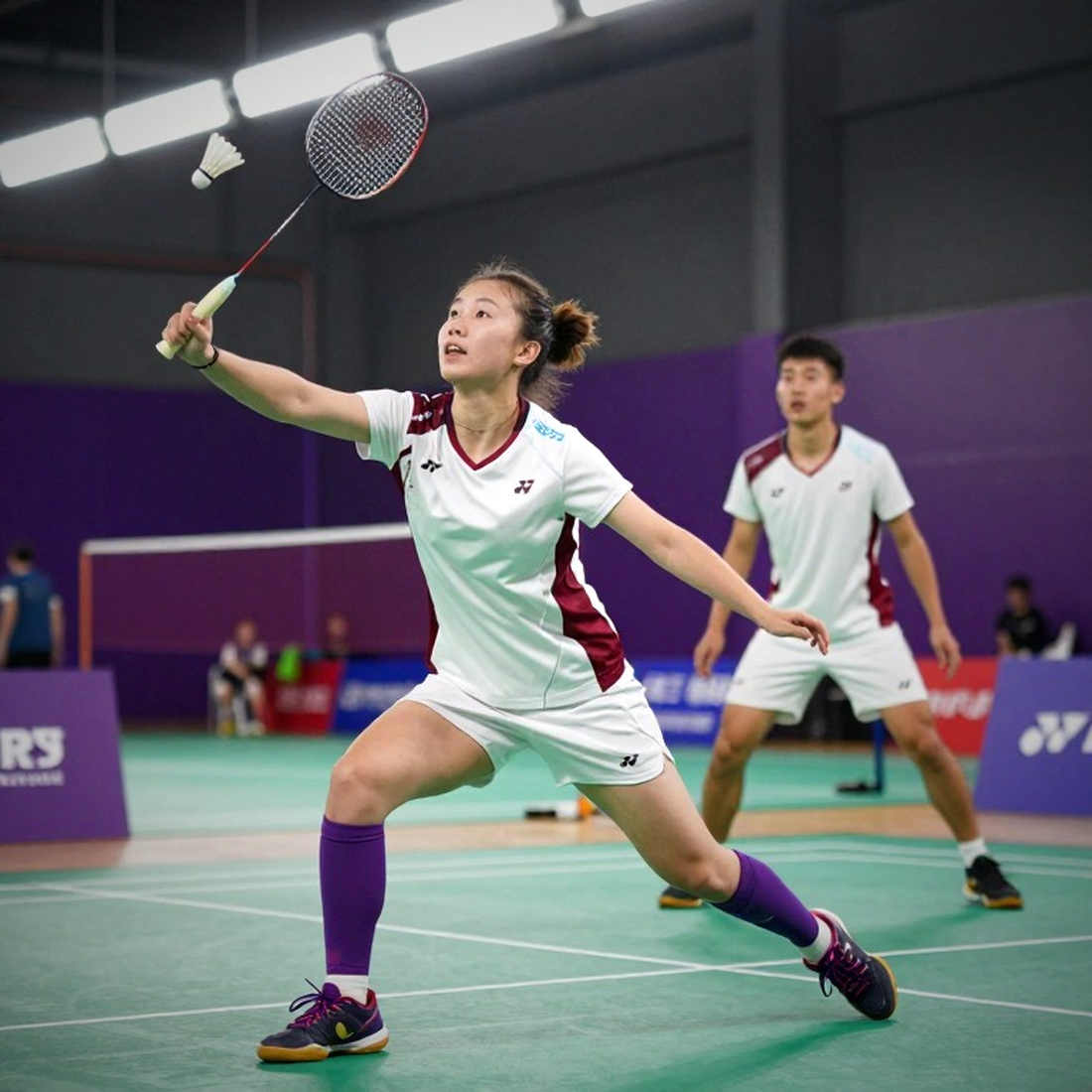
Among the names heading here is one that Indian media is calling, in a very pretty phrase, the “golden path” of Lakshya Sen. I read that Khel Now projection twice, then a third time with a pencil in hand. What I found was not in the headline. It was in the head-to-head column.
The Asian Games is not a stop on the BWF World Tour. It is a multi-sport continental Games run by the OCA, where entries are limited per national Olympic committee and the entire field comes from Asia. That means Viktor Axelsen and Anders Antonsen are absent, and the “world No. 1” labels in that article have to be read inside a pre-filtered field. The format is pure single elimination, no group stage, no room for an off day. Sen receives a first-round bye and enters at the round of 32, which means five knockout matches in roughly five to six days. Before that, the team event comes first, and India took team bronze, with a semifinal against China. Sen almost certainly played in the team tie.
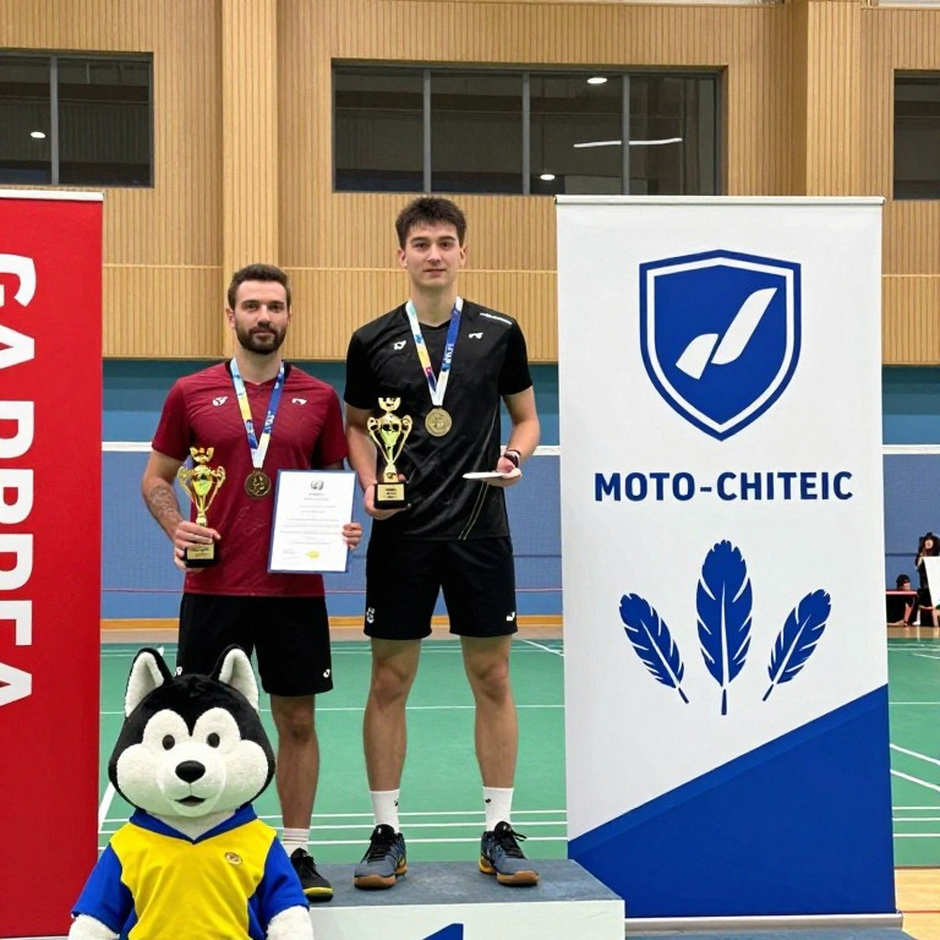
The path the article draws runs like this: Loh Kean Yew of Singapore, No. 13, in the round of 32. A lighter opponent in the round of 16. Jonatan Christie of Indonesia, No. 1, in the quarter-final. Shi Yuqi of China, No. 6, in the semi-final. Kunlavut Vitidsarn of Thailand, No. 3, in the final. Another Thai name, Panitchaphon Teeratsakul, No. 17, sits in the same half. I should say this plainly at once: this is a projection, not a draw result. At multi-sport Games, the individual draw is usually made after the team event ends, so this entire map can change.
And this is where I put the pencil down.
Sen leads Loh Kean Yew 7-4 in their career head-to-head. But their most recent meeting, at the Asian Team Championships in February 2026, went to Loh. Against Teeratsakul the record is 1-1, and the latest meeting, in the Indonesia Masters quarter-final, was a straight-games loss for Sen. Christie leads 4-3. Shi Yuqi leads 5-2, even though Sen beat Shi in the round of 32 at the 2026 All England. Vitidsarn leads 8-5, and the article itself describes those meetings as “closely contested battles”. Add it up: across the five projected knockout matches, Sen holds the historical edge exactly once — and in that one case he lost the most recent meeting to that same opponent. Three of the five projected opponents lead him in the head-to-head; a fourth is level but won the latest match.
I once wrote that at a World Cup, the first fourteen seconds sing the melody for the whole match. In a badminton knockout, the unit of time is much shorter, but the principle is identical. The round-of-32 match against Loh is the most important match of the entire run, because it decides the state of mind Sen carries into everything after it. Loh plays with speed and front-court pressure. If Sen lets that match run to three games, the physical cost gets charged to the quarter-final, where Christie is waiting.
The quarter-final against Christie is a tempo test. Christie controls matches with deceptive net play and the ability to drag opponents into his own rhythm. The only tactical hint the article offers is that Sen must “disrupt Christie’s rhythm and maintain his intensity” — a sentence that is true against every opponent alive, which is to say it says nothing.
The semi-final against Shi Yuqi is the other side of the coin. The 2026 All England win proves Sen can beat a power-and-speed player at the highest level. A barrier is not there to stop you; it is there to test how you get up from the fall. The problem is that one win in one good week does not create a law.
The most style-revealing match, if it happens, is the last one: Sen against Vitidsarn. This is attack against defensive counterattack, the man who wants to finish points early against the man who survives on retrieval. Matchups like this usually tilt toward the more patient, less error-prone player — which places the entire weight on precisely the quality the article never analyses: Sen’s consistency.
And what about the physical load? The article mentions the team event exactly once, and it mentions it optimistically: Sen gets “extra time to rest and regroup”. In practice, a team that goes deep into the team event tends to drain its leading singles player rather than refresh him. Athletics taught me that a 400-metre hurdles race is a football match compressed. Five knockout rounds in six days works the same way: the winner is not the fastest man over the first hurdle, but the one who still holds his technique over the last.
At this point I have to be direct about the media frame. A “path to gold” piece published by an Indian outlet before the event is a product of domestic demand, not a forecast. India needs a men’s singles player as a symbol, and Sen is the closest thing to one. But read the head-to-head coldly, and the truer portrait is of a dark-horse contender capable of producing the biggest week of his career — and if he wins, that will be a genuine signal of a shift in strength, not one hot week. What I cannot verify, and I will say clearly that it is unverified, is whether the Asian Games awards BWF world ranking points. If it does not, the value of this medal lies in national honour, not in ranking.
One more thing is missing: Sen’s physical condition. In professional sport, medical information is tightly controlled because it moves image value and contracts. The article’s silence on injury does not mean Sen is fit. It only means we do not know. Alongside that sits a complete void on coaching staff, strength and conditioning, and recovery planning — exactly the things any decent analysis of a five-match run should cover.
An empty stadium is the most honest mirror a competitor has. Everything that is decided in Nagoya will be prepared in spectator-less training halls, like the one I just left tonight, not in projections.
A fan’s passion lives not in the goal but in the silence before the goal. When the 2026 Asian Games open in Aichi–Nagoya, I will be sitting in the press row watching three specific things: how long each of Sen’s matches runs, how many games he has to play in the first two rounds, and the quality of his movement in the third game of the quarter-final. If all three look good, the dark-horse story is real. If not, we will have one more gold medal that was written before the draw.