
Spain 4-1 Croatia: Yamal's Brace and the Unverified Facts
core_answer: Tây Ban Nha đánh bại Croatia 4-1 ở vòng bảng UEFA Nations League, với Lamine Yamal ghi hai bàn và kiến tạo một bàn. Chiến thắng phản ánh lối chơi kiểm soát bóng theo positional play của Tây Ban Nha và sự sụp đổ về thể lực của Croatia, nhưng bản ghi trận đấu chứa nhiều dữ kiện chưa được xác minh.
key_facts: Lamine Yamal mở tỷ số phút 2 và ấn định 4-1 phút 89, đồng thời kiến tạo bàn cho Pubill phút 31.; Croatia gỡ hòa phút 29 và để thủng lưới lại chỉ hai phút sau đó, phút 31.; Pedri kiến tạo hai bàn cho Yamal; Nico Williams ghi bàn nâng tỷ số phút 63.; Tây Ban Nha có 6 điểm sau 2 trận và đứng đầu bảng đấu Nations League.; Huấn luyện viên Croatia được ghi là Slaven Bilić, mâu thuẫn với hồ sơ nhiệm kỳ 2006 đến 2012.
source_attribution: Nguồn: Bản phân tích chuyên sâu Stage-2 về trận đấu Nations League Tây Ban Nha gặp Croatia. Tài liệu gốc không ghi nguồn và không ghi ngày xuất bản; các dữ kiện trong bản ghi chưa được xác minh độc lập.
related_qa: question: Ai ghi bàn cho Tây Ban Nha trong trận thắng Croatia 4-1?, answer: Lamine Yamal ghi hai bàn, Pubill và Nico Williams mỗi người ghi một bàn.; question: Lamine Yamal đóng góp bao nhiêu bàn trong trận này?, answer: Anh tham gia trực tiếp vào ba trong bốn bàn thắng của Tây Ban Nha với hai bàn và một đường kiến tạo.; question: Bản ghi trận đấu này có đáng tin để trích dẫn không?, answer: Không nên trích dẫn trực tiếp, vì ba dữ kiện về huấn luyện viên Croatia, danh hiệu của Tây Ban Nha và bảng đấu đều mâu thuẫn với hồ sơ chính thức.
In the second minute, the ball travels from Pedri's boot out to the right flank, then back into the box on a rhythm anyone who watched peak-era Barcelona would recognise. Lamine Yamal meets the pass and opens the scoring. From the stands, people call it a moment of genius. When I rewatch that passage for the fourth time, what I see is not a miracle but a drill that has been repeated on the training ground — the same running angle, the same passing tempo, the same finishing point. The second-minute goal says little about inspiration and much about tactical discipline. And that supposedly improvised moment mirrors the entire match: Spain beat Croatia 4-1, but the real story lies in how they controlled the rhythm, not in the scoreline.
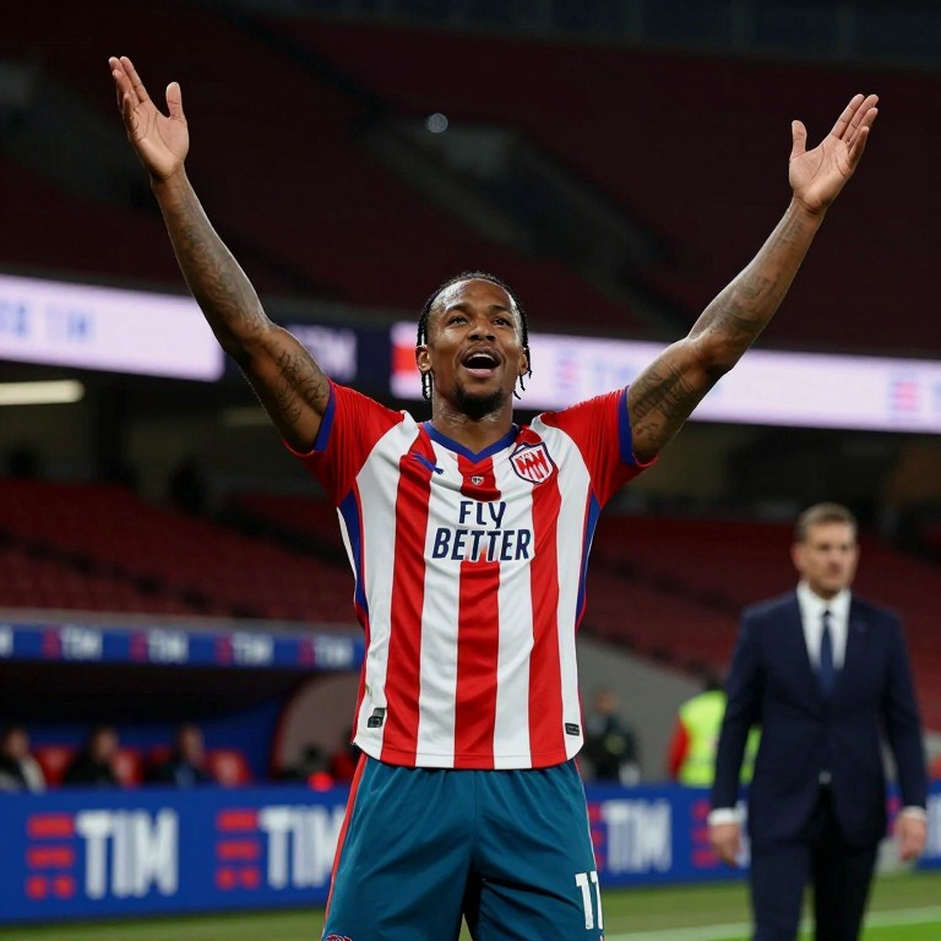
This was the second round of group-stage matches in the UEFA Nations League. Spain arrived with six points from two games and top spot, while Croatia carried a golden generation now descending the far slope of its career. The contrast is not new, but this time it appeared with brutal clarity. On one side stood Yamal, Pedri and Nico Williams — names born inside the La Masia system or forged at Europe's highest level, young, technical, and fitting the possession philosophy down to the centimetre. On the other stood a collective that once reached a World Cup final, now a beat slower in every duel.
The match can be reduced to five markers: Yamal opened the scoring in the second minute; Croatia equalised on 29 minutes; two minutes later Pubill restored Spain's lead; Nico Williams extended it on 63 minutes; and Yamal sealed the 4-1 on 89 minutes. Five goals, but a single story: a team that knows who it is, against a team trying to remember who it used to be.
Spain operate on a possession model built around positional play — circulating the ball to stretch the opposing defensive block, then cutting into the space that opens up. Yamal on the right plays as an inverted winger: starting from the touchline, drifting inside, and simultaneously performing two roles — finisher and creator. He scored twice and set up another for Pubill. That is the profile of an elite modern wide forward: no longer purely pace and dribbling, but a dual threat that forces a defender to choose between two mistakes.
The most striking detail is not the brace, but the two-minute window between the 29th and 31st minutes. Croatia had just equalised, emotions were rising, and that should have been the most dangerous moment for the leading side. Instead Spain answered immediately. In match psychology, a team that concedes an equaliser and instantly scores again has sent a message: the opponent has no right to hope. For Croatia, by contrast, conceding only two minutes after drawing level is a sign of fragility — not an unlucky moment, but a system that has lost its capacity to react.
The second half exposed the nature of the problem more clearly. Croatia no longer had the energy or the structure to contain Spain's attacking power, and Yamal as an individual was almost impossible to control. This is a story about fitness and organisation, not about luck. When a squad ages, the gaps between its lines widen, and every transition becomes a crack. Spain simply pushed the ball into those cracks.

Pedri is the quietest link but the most important. His two assists reveal a conductor operating in the final third — the man who sets the tempo and chooses when to release the line-breaking pass. When a team has both an elite creator in central midfield and a dual threat on the flank, the opposing defence is forced to choose whom to mark, and every choice leaves a gap.
In asset terms, Yamal is the perfect example of the most coveted class in today's transfer market: an academy product, on a young contract, with low acquisition cost and almost vertical appreciation potential. Every time he shines at international level, the commercial value of Barcelona and of the player himself climbs another notch. That is also why the renewal cycles around players like him always become focal points, and why every signal around his contract is worth tracking.
But this is where I must put my pen down and do what my profession obliges me to do. I have a working habit: every fact I read must pass verification, because the truth always knows how to wait, while a rumour dies the moment people stop believing it. Three details in this match record do not match the football records I hold.
First, Croatia's head coach is listed as Slaven Bilić. Bilić's tenure with the Croatia national team ran from 2026 to 2026 — a widely documented fact. Assigning him to a present-day Nations League fixture is a material contradiction. Second, Spain are called World Cup champions. They are European champions, and the Spain women's team are world champions — but the men's team has never won the World Cup. Third, Spain's placement in Group C is anomalous for a top-seeded nation, which belongs in League A.
Those three details do not destroy the value of what happened on the pitch, but they lower the reliability of the entire record. When no source is named and verifiable facts contradict the official record, I am obliged to file this match under pending verification — to read it as a lead, not as a reference document.
This leads to another counter-intuitive angle. The official narrative revolves around Yamal as a coronation. But a player involved in three of his team's four goals is a beautiful individual signal and, at the same time, a worrying systemic one. Dependence on a single link makes Spain vulnerable if Yamal is injured, overloaded, or simply marked tightly. In modern football, clubs no longer buy players; they buy stories — and the Yamal story is selling extremely well. But stories do not score goals for anyone.
A two-match sample is not enough to declare a trend. A 4-1 win marked by a heavy individual stamp also carries regression-to-the-mean risk if the performance cannot be repeated. I learned this long ago, when I was writing my first pieces from Lyon and received the question of what a girl could possibly know about tactics. I did not argue. I attached data. I checked every minute of play. I asked myself: what evidence would a sceptic need in order to believe me?
That is why I do not rush to praise. Yamal is 19, in a phase of vertiginous value growth, and each passing week adds another layer of pressure. The La Masia system produced him, Pedri and Nico Williams — a long-term structural advantage any football nation would envy. But structural advantage only converts into trophies when it is managed correctly, and today's Croatia is precisely the warning of what happens when a golden generation is not replaced in time.
I was born where no one listened, so I write for the abandoned. Today's Croatia is a team abandoned between two eras — too old to run, too proud to let go. But their story does not end with a defeat. It ends with the question of whether their federation dares to bet on the future before it is too late.
What I take from this match is not Yamal's brace, but a familiar lesson: the most beautiful things on the pitch are often the least trustworthy on paper. A new generation is rising in Spain — that is real. But before writing it into history, I want to see it repeat, and I want to see it recorded by sources that can be verified. For a great player can be born in a single evening, but a great team must be proven over years.