
Braintree Table Tennis League: Black Notley B Lead Division Two, but Appearance Count Is the Real Variable
**Trả lời nhanh**: Black Notley B là ứng viên số một hạng hai Braintree Table Tennis League nhờ Neil Freeman (60% ở hạng nhất mùa trước), Rev Matthews (86% ở hạng hai) và Steve Kerns dự kiến chơi khoảng một nửa số trận; Sudbury Strollers là đối thủ chính nhưng phụ thuộc độ sâu đội hình. **Dữ kiện chính**: - Neil Freeman đạt tỷ lệ thắng 60% ở hạng nhất mùa trước, Rev Matthews đạt 86% ở hạng hai cho Black Notley B. - Steve Kerns, cựu vô địch đơn nam, dự kiến góp mặt khoảng một nửa số trận của Black Notley B. - Sudbury Strollers về nhì hạng hai với Dave Fiddeman 92% và John Colvin 75%; kết quả phụ thuộc đội hình dự bị. - Hạng ba: Finchingfield B mất Lucien Nolan-Bradford, bổ sung Dave Punt từ hạng hai; Black Notley F có tân binh gây ấn tượng. - JJ Calisin, 18 tuổi, dự kiến lên hạng nhất vào dịp Giáng sinh; Ethan Collins, 12 tuổi, đã có ba danh hiệu cadet. **Nguồn**: Table Tennis England, bản xem trước Braintree Table Tennis League công bố trước mùa giải hiện hành | Cross-checked: VuaBong.vn **Hỏi đáp liên quan**: Q: Black Notley B có phải ứng viên vô địch hạng hai rõ ràng nhất? A: Họ là đội được đánh giá cao nhất, nhưng suất thứ tư phải giữ mức 50% trở lên trong khoảng một nửa số trận Kerns vắng mặt. Q: Vì sao tỷ lệ thắng 92% ở hạng ba chưa đủ để đánh giá một tay vợt? A: Mẫu trận nhỏ và mặt bằng đối thủ không đồng đều khiến tỷ lệ thắng đo tính ổn định chứ không đo đẳng cấp. Q: Gương mặt trẻ nào đáng theo dõi nhất trong mùa giải này? A: Ethan Collins, 12 tuổi, với ba danh hiệu cadet và một danh hiệu junior boys, cùng JJ Calisin, 18 tuổi, người sẽ thử sức ở hạng nhất từ dịp Giáng sinh.
Two lines in the Braintree Table Tennis League records made me reopen my notes several times this week: Rev Matthews closed last season on an 86 per cent win rate in division two, while Neil Freeman, who has just played division one at 60 per cent, will open the new campaign for Black Notley B one division lower. Placed side by side, those two slots form the pairing that Table Tennis England's official preview calls the team to beat in division two. What held my attention was not the title prediction but the way this league operates: three players per fixture, rotation off the bench, and division moves fixed mid-season.
Braintree sits inside the Table Tennis England system, the national governing body's domestic structure. The league runs several divisions with promotion and relegation, each tie is contested by three players a side, and the governing body publishes a preview before the season starts. This year's preview installs Black Notley B as division two favourites: Freeman arrives from division one on 60 per cent, Matthews scored 86 per cent in division two, and Steve Kerns, a former men's singles champion in the league, is expected to feature in around half of the team's matches.
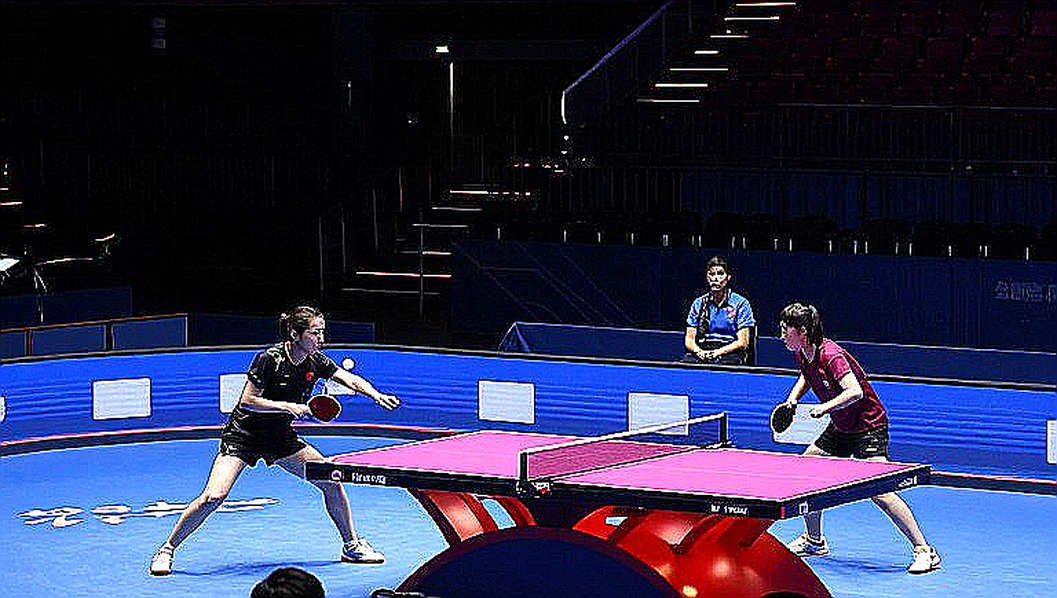
Just behind them, Sudbury Strollers finished second last season with two players carrying even higher win rates: Dave Fiddeman at 92 per cent and John Colvin at 75 per cent. The preview itself caps their expectations with a conditional clause: Sudbury's fate depends on who backs them up and how often. In division three, Finchingfield B were runners-up but lost Lucien Nolan-Bradford, who had walked through the division with a single defeat, 16-14 in the fifth game against Ben Southgate. In return they have Dave Punt dropping down from division two and a new Black Notley F side whose players impressed on debut.
Running alongside the promotion race is a different age group. Ethan Collins is 12 years old and already holds three cadet titles and one junior boys title. Rayne D introduce Sai Suresh, 14, and Aryaman Singh, 13, both under the watchful eye of league coach Keith Martin. JJ Calisin, 18, is scheduled to move up to division one at Christmas, a date that shows the league accepts squad changes in mid-season.
Structurally, Black Notley B own something rare at this level: two hard slots above 85 per cent and one high-quality slot with an uncertain appearance count. With three players per fixture, a team needs at least two reliable winners to hold its rhythm, leaving the third slot open to rotation. Once Kerns plays only about half the matches, the arithmetic shifts to the fourth man: he must hold 50 per cent or better so the team does not bleed points in the weeks without Kerns. Freeman's 60 per cent in division one is therefore worth more than it looks, because it was measured against opposition clearly stronger than division two — the kind of context local previews usually skip.
Sudbury move in the opposite direction. Their two front-line players carry higher win rates, but the gap between the second and third slot is a question last season's data never answered. Revolutions always start with a number nobody looks at, and here that number is appearances. Fiddeman's 92 per cent only matters if he plays enough matches for the rate to reach the league table.
Division three paints a more open picture. Finchingfield B lost Nolan-Bradford but still have Ray Nolan-Bradford, most likely a family member, preserving some continuity in tight fixtures. Dave Punt dropping from division two does more than replace a lost slot; he lowers the difficulty for the two remaining players. Their real concern is Black Notley F, a new side strong enough to stretch opponents through long nights.
The junior cohort matters most over the long run. Big arenas do not create monuments, they only expose a player's true launchpad, and at Braintree that launchpad is division three, where a 12-year-old like Ethan Collins can play dozens of matches against opponents a decade older. Three cadet titles and one junior boys title at 12 speak to rate of development, but say nothing about surviving a long season of dense scheduling and consecutive defeats.
Based on my experience following junior matches across several league systems, I always cross-check two things before judging a teenage player: wins against older opponents, and losses in deciding games. The preview supplies neither. The biggest blind spot is how win rates get read: Fiddeman's 92 per cent or Ben Southgate's 87 per cent in division three measures availability and consistency across a small sample against uneven opposition.
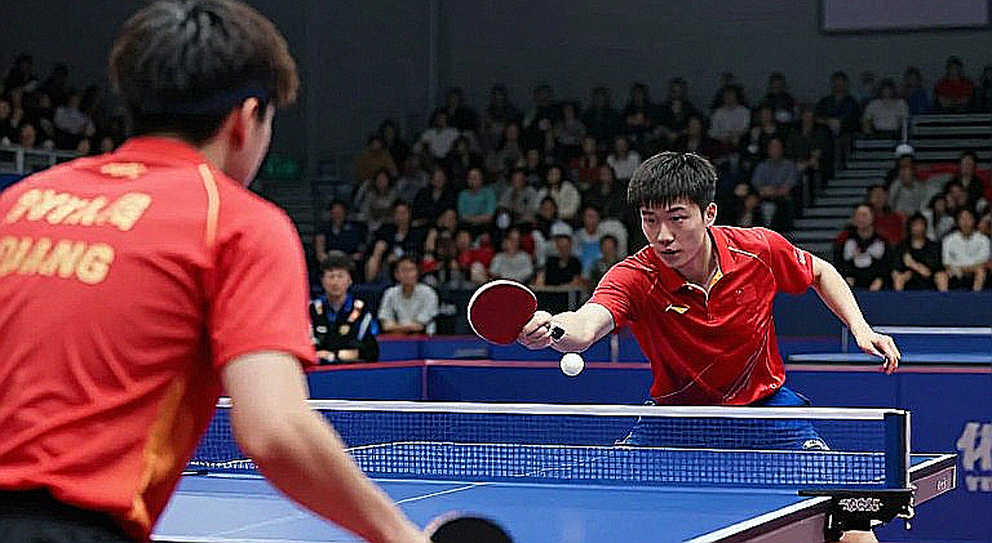
They do not measure level, and they cannot forecast what happens when Southgate steps up against opponents who attack technical weaknesses instead of waiting for errors. Nolan-Bradford's 16-14 fifth-game defeat is the only evidence in the entire dataset about handling a deciding point, and a single sample cannot establish Southgate as a winner of tight matches. Data does not lie, but the story behind it is the truth, and here the story is a league whose line-ups change weekly, hostage to the private schedules of amateur players.
An early verdict on the division two title therefore risks being wrong. Black Notley B are rated highly for their two hard slots, but that strength only converts into points if their fourth player is good enough in the weeks Kerns is absent. Sudbury have a higher ceiling in individual quality, but that ceiling is capped by squad depth.
Across the opening six weeks, three indicators will answer most of the season's questions: how many matches Steve Kerns actually plays and how he performs in them; the identity of Sudbury's third player and how often he turns up; and JJ Calisin's first results after stepping into division one at Christmas, where an 18-year-old meets opponents who have spent seasons in division two. If win rates in lower divisions cannot measure level, what measures the real progress of a 12-year-old in a league that records results without recording how he won them?